Article · Field notes
The Duck Needs a Product
29 Aug 2026 5 min read
I wasn’t going to hand Estelle an internship brief that said “help with the brand.” It sounds like a job and means nothing. So the brand exercise is her project, and it has a name: Project Molt.
Estelle is the daughter of a good friend of mine from Switzerland, and she’s coming to Mauritius to do her internship with Sunset Duckies.
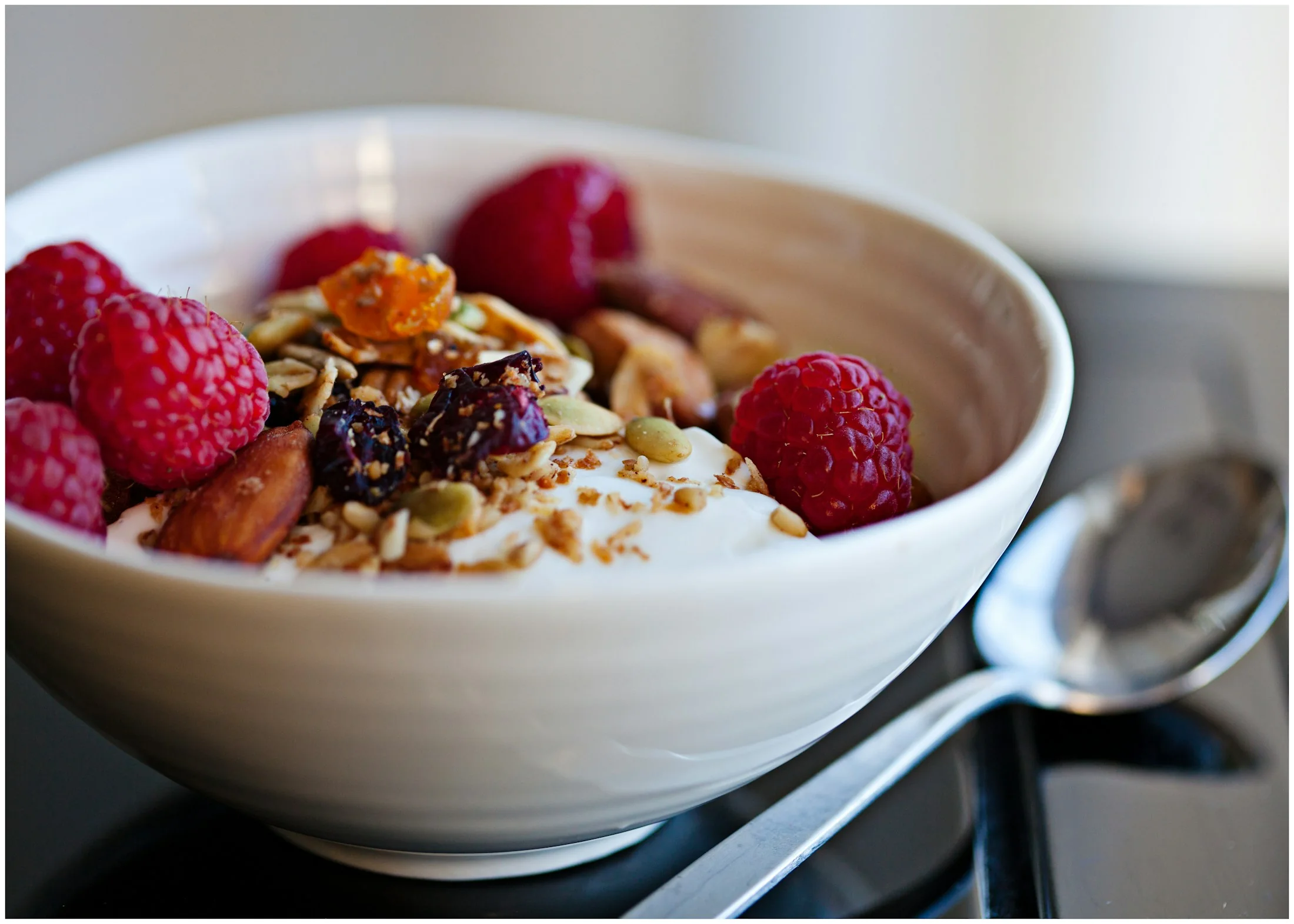
By 7 September she’ll have rough directions for all four product categories: everyday wear, surf wear, surf gear and surf nutrition. We’ve basically decided to start with granola, though, so that’s where the detailed work goes. The granola concept has to answer six questions. Who’s it for? When would they eat it? What’s in it? How is it packed? What does it cost? And why would anyone buy it a second time?
Then come the interviews: club families and kids, at least five people outside the club, and anyone who might make or supply the granola. Everyone sees the concept with its price. We ask whether they’d buy it, what would stop them, and whether one of the other categories solves a stronger problem. By 25 September we decide: make the first batch, revise the concept, or change direction.
The trap is goodwill. Sunset Duckies has a good logo and a lot of people who like the club, and parents could easily buy something just to be nice. Lovely of them. As evidence, completely useless. I want the product to sell to people who don’t know us. It has to be useful, well made, and worth the price with the club story stripped off.
I’m also not sure the club and the product business should be the same thing. The club gives the granola a good origin story, but that might get us a first sale rather than a business that works. We need to test the product without asking anyone to fund a good cause. So for now I’d keep the money separate. Granola revenue pays for making and selling granola. It doesn’t buy surfboards. If the business ever contributes to the club, that should be a decision we can afford and report on.

Then we make a small batch or sample and launch it at a surf competition in Tamarin at the end of October. Promotion starts before the event: registration, the product and the price go public as soon as each one is ready. On the day, we write down what sold, what didn’t, and why.
Can 100 people carry it?
100 club supporters who buy once can fund a batch. 100 repeat customers who pay full price and bring in the next customer can support a small business. We need to find out which 100 we’ve got.
So we’ll record where each customer came from, whether they paid full price, whether they came back, and who they referred. Then we work out the margin after ingredients, packaging, production and delivery. Word of mouth has a strict meaning here: one customer brings another without us approaching both. A busy WhatsApp group doesn’t count as sales, and we’ll track it separately.
I see four stages:
-
From 0 to 1, someone outside the founding families buys it at full price because they want the product.
-
From 1 to 10, the first buyers expose the obvious problems. Some come back, and some bring another buyer.
-
From 10 to 100, production works reliably, repeat buying is visible, the margin can pay for the next batch, and sales no longer depend on one person asking everyone.
-
From 100 to another community, someone outside Tamarin wants to gather their own first local buyers and run the same test. They use the shared product and brand rules without copying everything about Tamarin.
By 100 we should be able to tell whether Sunset Duckies has a Tamarin product, a small sustainable business, or the first working community of a broader brand. Repeat buying, referrals and margin decide which one. How nice everyone was at the launch doesn’t get a vote.
From November to February we run it again, this time with October’s actual costs and feedback. Those numbers should tell us which stage we really reached. The people doing the work in Tamarin need to be able to run that next cycle without waiting for me. And before we decide where to try it next, we’ll run the plan past surfers in at least two communities outside Mauritius.
Project Molt
The brief, deadlines, product sheets and interview questions are all public, if you want to check our homework.
Cover photo by Joan McEwan on Unsplash.