Article · Field notes
Why I'm Building an Uber for Construction (and Why It Started with a Cottage)
02 Apr 2026 8 min read

For the Balaton cottage I showed up with everything a contractor could want: professional-quality photos, floor plans, mood boards, a budget range, a timeline, and a brief clear enough that nobody had to guess what we meant.
It didn’t help. I spent weeks trying to find the right architect, the right builder, the right anyone, and slowly realised the process breaks at the very first step.
Weeks of dead-end messages
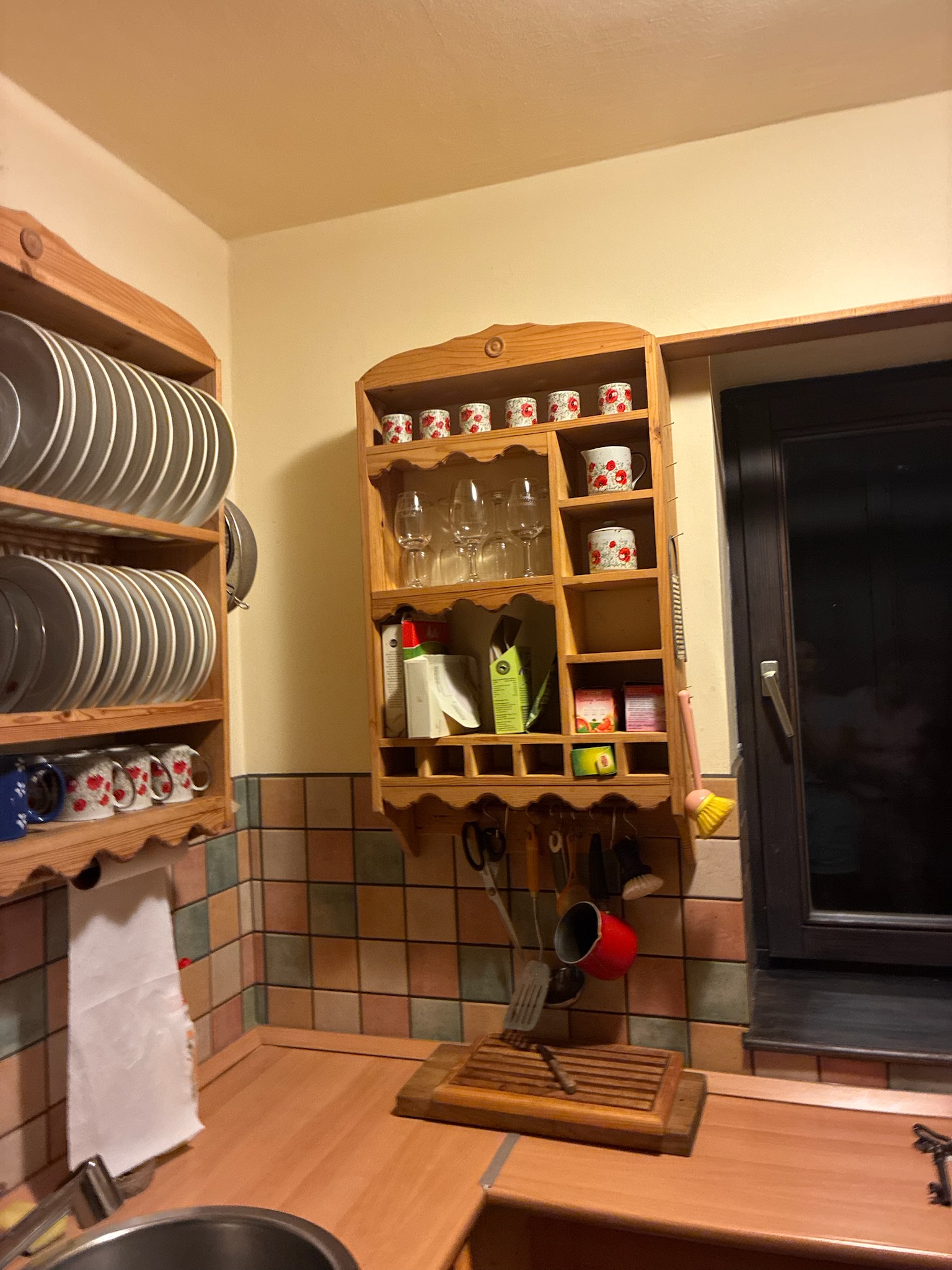
It started innocently. I posted in a few Facebook groups. I asked friends, then friends of friends. I messaged architects whose portfolios I liked on Instagram. I filled in contact forms on websites that hadn’t been updated since 2014.
Most messages went unanswered. The people who did reply often hadn’t read what I sent. One architect quoted me for a full new build. Another asked if I needed help with “office interiors.” Someone offered to install a pool, which would be quite a feat on a hillside vineyard.
The part that really stung: we did find architects. Twice. Both came through personal recommendations from people I trust, the kind of referral that’s supposed to be the gold standard.
We worked with the first one, and the quality was terrible. Back to the drawing board, another recommendation, a second architect. Same story. Poor output, misaligned expectations, and weeks of our time gone each round.
I’m not a difficult client. If anything I made it too easy. And even when the recommendation system “worked”, the result was still disappointing. Twice.
Why word-of-mouth fails everyone
Slowly it dawned on me that this wasn’t me being picky. The whole market is broken, and worse than I’d assumed, because even the standard advice (ask someone you trust) doesn’t fix it.
Construction is among the last big industries where finding, vetting and hiring a professional runs almost entirely on word-of-mouth, cold calls and luck. Word-of-mouth doesn’t scale, and it doesn’t guarantee quality.
Booking a ride: open an app, see who’s nearby, check the rating, tap a button. Finding a restaurant: search, read reviews, look at photos, book a table. Hiring someone to renovate your kitchen: ask your neighbour, scroll a Facebook group, hope for the best. And even when someone you trust gives you a name, you’ve no way to check whether that person is right for your project.
The information gap is brutal. As a homeowner you’ve no idea what a fair price is, what a realistic timeline looks like, or whether the person you’re hiring has ever done anything like your project. As a professional you’re drowning in tyre-kickers and badly scoped requests, burning hours on site visits that go nowhere, and competing on price because there’s no way to compete on quality.
Nobody is having a good time.
What the contractors told me

So I started talking to contractors. Plumbers, electricians, architects, project managers, anyone who’d give me 20 minutes. The same story came back over and over:
“I get 50 messages a week. Maybe 5 are real projects. The rest want a free quote and ghost me.”
“I spend more time writing proposals than doing actual work.”
“By the time I’ve done a site visit, taken measurements, and written up a quote, the client has gone with someone cheaper who’ll cut corners.”
The good professionals, the ones you actually want working on your home, are buried under noise. They don’t need more leads. They need better ones: projects that are well documented, fairly budgeted and ready to go.
Which is exactly what my Balaton cottage was. Documented, budgeted, ready to go. I still couldn’t get it in front of the right person without weeks of effort.
Building Baubiber
I’m a developer. When I see a broken process, my instinct is to build a tool. So I did.

It’s called Baubiber, a mashup of “Bau” (German for construction) and “Biber” (beaver). It’s a side project, not a company with a pitch deck and a funding round. I built it because this problem made me angry enough to open a repo.
The idea is simple enough to be annoying: match renovation projects to professionals by skills, location, availability and past work, instead of making homeowners beg the internet for names.
A quick walkthrough of Baubiber, from photo to matched professional.
You photograph whatever needs fixing or renovating. The app runs the photos through AI to work out the type of job, estimate the scope and write a structured brief. No more vague descriptions, and no forgetting to mention that the ceiling is four metres high.
Baubiber then matches your project to professionals who actually do that kind of work, in your area, and are free right now. Not 200 search results. A short list.
The professionals get well-documented projects: photos, AI analysis, scope, budget range. They can tell in seconds whether it’s worth their time. If it is, they send a proper offer. You compare the offers side by side and pick the one that fits. Done.
Both sides win
Homeowners stop firing vague messages into the void. Professionals stop losing afternoons to quotes for jobs that were never real.
The AI does the filtering upfront
Platforms for this already exist: MyHammer, Houzz, assorted local directories. I’ve used them. Most are lead-generation machines that blast your request at everyone and let the market sort it out. That’s how you end up with the pool guy quoting on your interior renovation.

Baubiber is different because the AI filters upfront. By the time a professional sees your project, it’s already been analysed, categorised and matched. By the time you see an offer, the professional has already been through detailed documentation of your project.
Volume was never the point. One good match beats fifty mediocre ones.
The other thing I care about is transparency. You can see what similar projects cost in your area and what a professional’s past work actually looks like, so both sides can make a confident call without the usual three weeks of back-and-forth.
Early days
It’s early. The app is live, people are using it, and the sharpest feedback so far has come from professionals who are tired of paying for bad leads. A few contractors told me they could decide in under a minute whether a Baubiber project was worth quoting. That’s the bar.
I’m not chasing a unicorn. I have a problem I want solved, and plenty of other people turn out to have the same one. Every time I mention it at a dinner party, someone says “oh god, I’ve been looking for a good electrician for months.” Every single time.
The cottage becomes project one
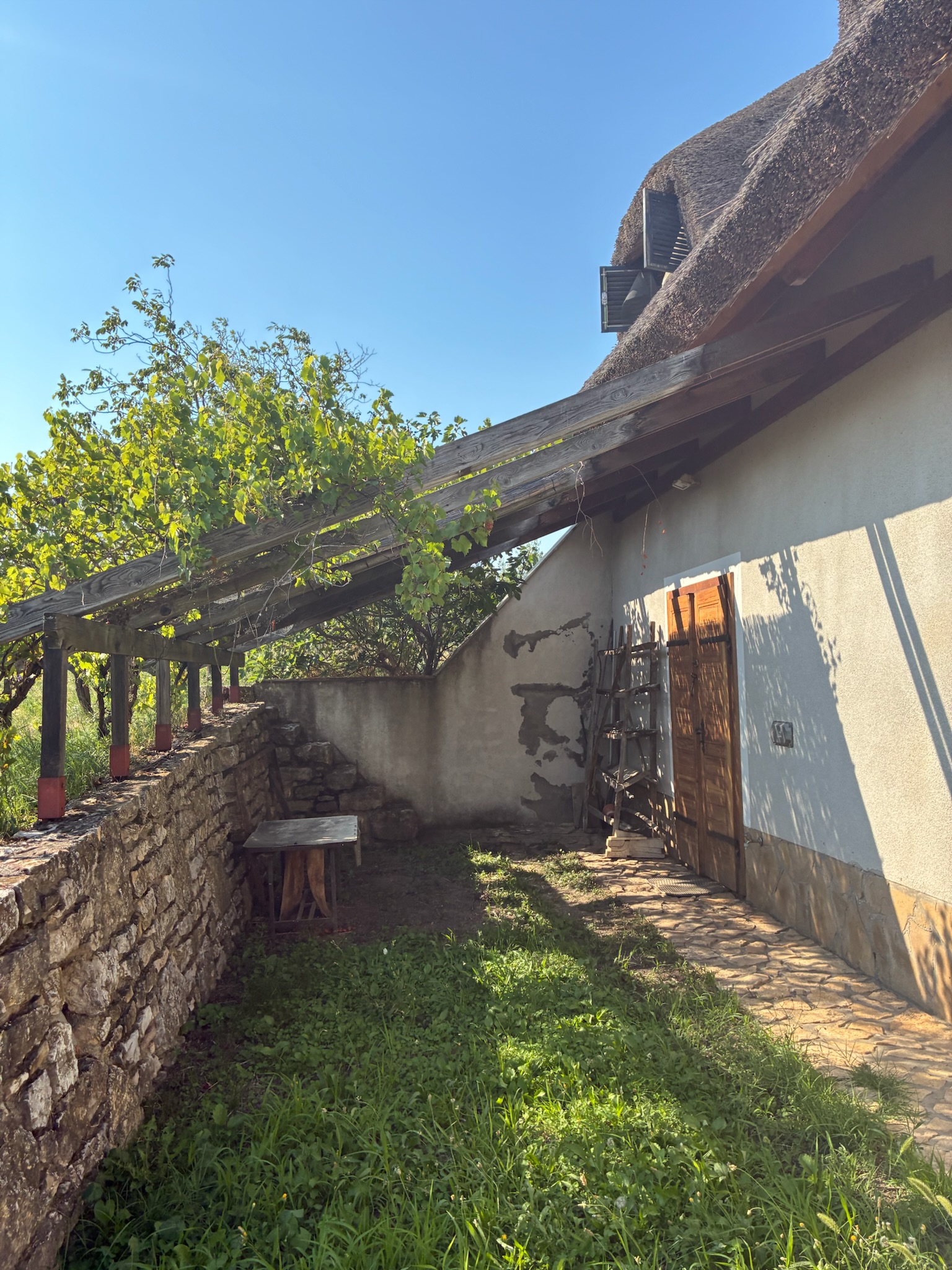
The irony isn’t lost on me. I started building Baubiber because I couldn’t find an architect for my Balaton cottage, and now the cottage (project Hegylakó, as we call it) is one of the first real projects on the platform. If this works the way I think it can, the next person standing on a hilltop with photos, measurements and a folder of references won’t have to go through what I went through.
They’ll take photos, let the system write the brief, and have a shortlist before the search turns into a second job.
For now it’s a side project, a lot of late nights, and a growing hunch that the first step of a renovation can be less stupid than asking a Facebook group for names.
Try Baubiber
Baubiber is live on iOS and Android. To follow development and send feedback, join the Baubiber Feedback Group. If you’re a construction professional who wants better leads, I especially want to hear from you.
Building or renovating something? Let’s compare war stories. X / LinkedIn