Article · Field notes
Keeping the Duck Weird
04 Jun 2026 5 min read
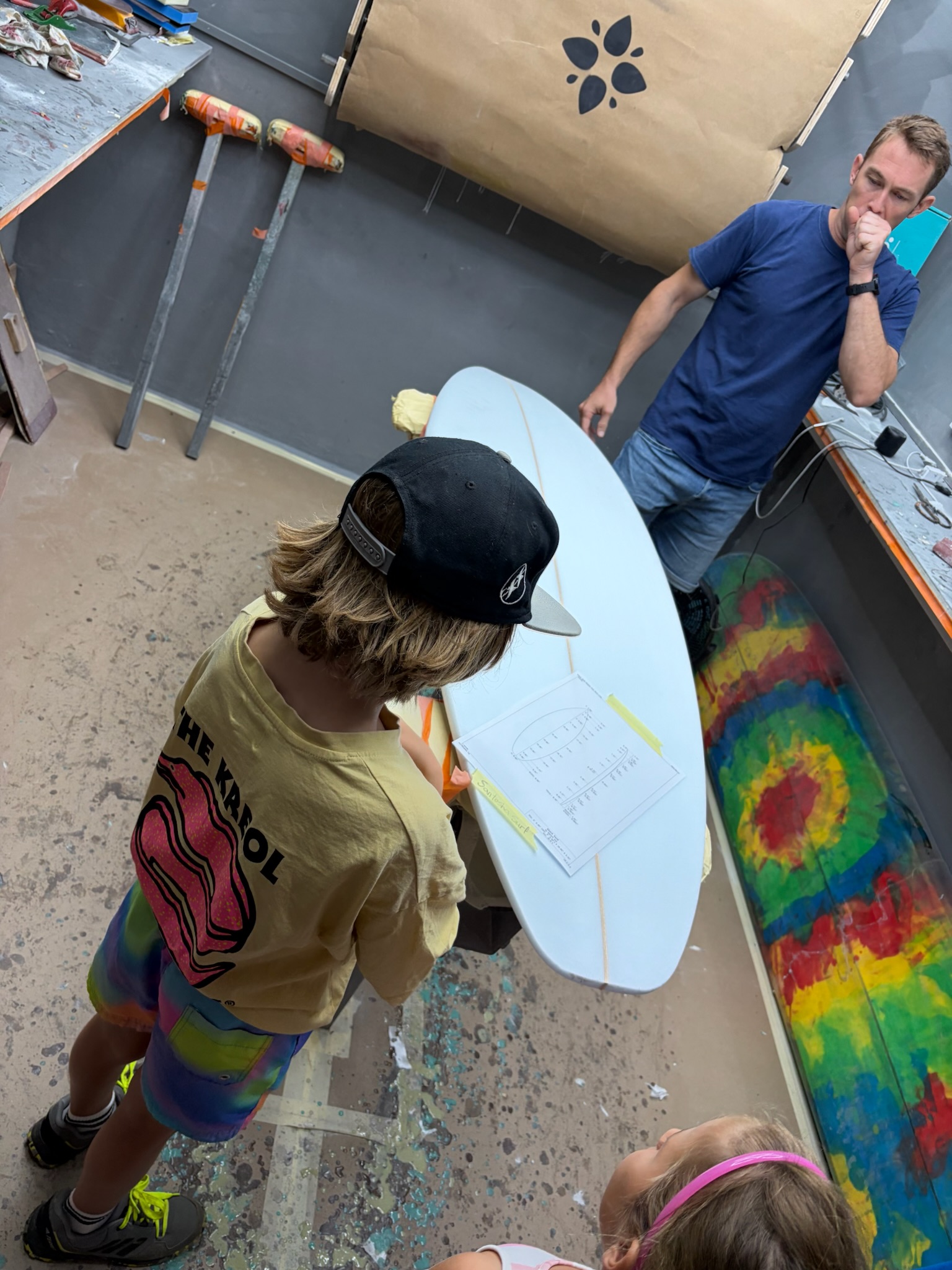
The dangerous part of cleaning up a child’s drawing is that you can fix it to death.
Noah drew the duck in pencil, quickly, at the kitchen table. It had the confidence of a thing that didn’t know it would later be inspected by adults with software.
The finished logo style was more collaborative than that first sentence makes it sound. Noah gave us the duck and the attitude. After that we tried versions, showed them to the other Duckies, asked for votes, changed colours, changed type, brought back details we’d removed, and slowly found the version everyone recognized as theirs. My job was to help a group of kids make the duck printable, maskable, sprayable, and still theirs, not to turn Noah’s sketch into my design.
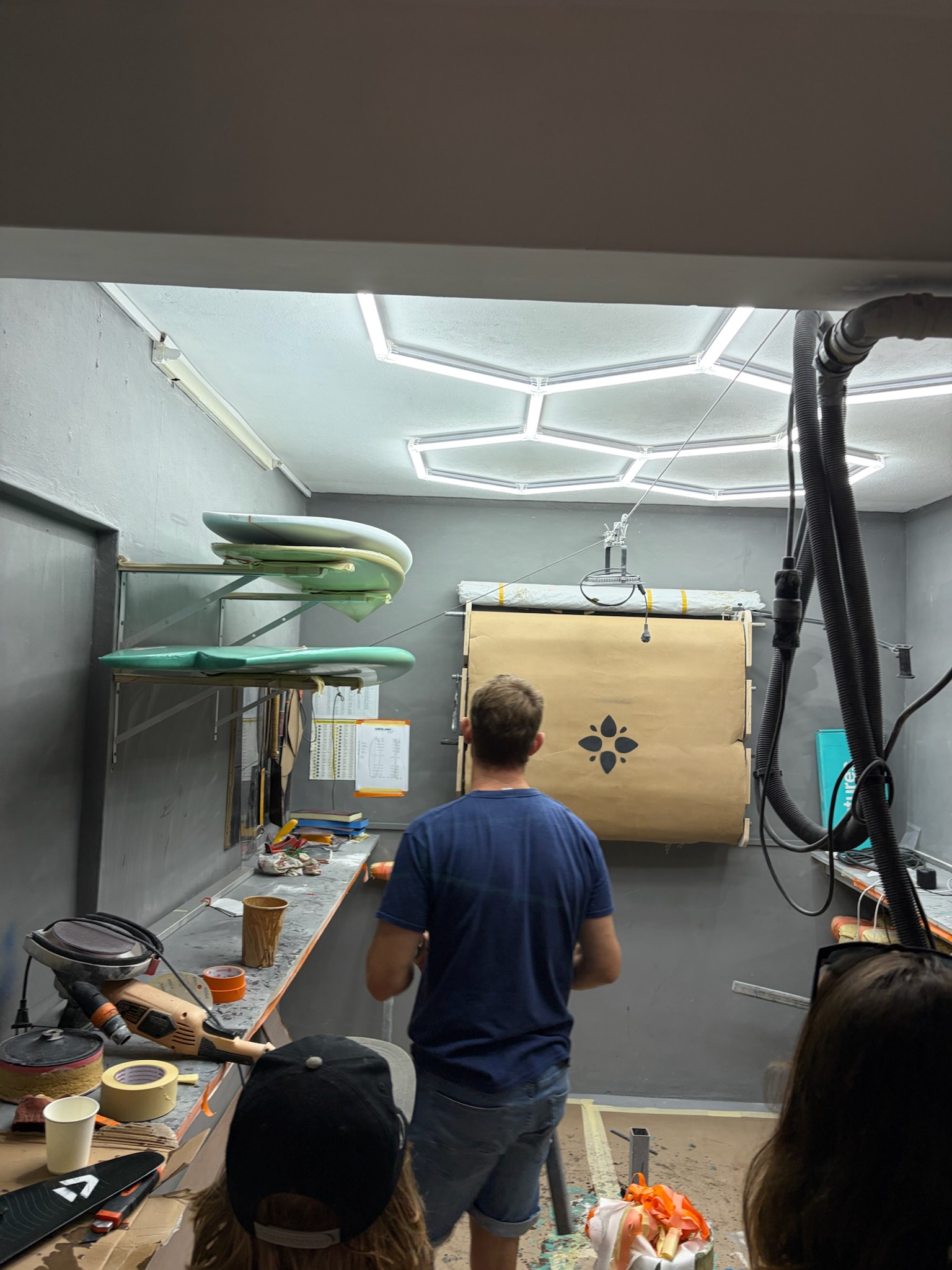
The sketch had more information in it than it first seemed. A circle near the nose with an arrow pointing to it: “Logo.” A grid at the tail: “Pad.” A bolt: “Lightning.” Along the rail: “Sunset Ducky, designed by Noah.”
There was nothing to invent, really. The work was translation, then negotiation.
The mascot
The duck does most of the work because it shouldn’t work at all. It’s a bath toy with sunglasses and a backwards cap, riding a wave on a shortboard. On paper that sounds like a bad sticker from a tourist shop. In Noah’s drawing it had just enough arrogance to survive.
Behind it sits a sunset, banded orange to yellow in a tight circle. That’s where half the name comes from. The other half is the duck, because children are often better at naming things than adults. They stop before they ruin it.
The exact duck changed a lot. Some versions were too polished. Some were too babyish. Some looked like clip art. The useful test wasn’t my opinion of one on a screen; it was whether the kids still cared when they saw it.
The wordmark, the tagline, the line
Under the logo, the name is set in a heavy condensed sans, all caps, stacked. It isn’t subtle, and it shouldn’t be. The whole thing is going on a child’s surfboard, not above the door of a quiet hotel.
Below it, in a loose handwritten script, is “main character energy.” I wouldn’t have written that line. That’s why it stayed. It belongs to the internet Noah and the other kids are growing up inside, not to me.
The tagline lives on the bottom of the board:
SALTY HAIR.
REAL GRIT.
NO CAP.
“No cap” means no lie. It also, on a board with a duck wearing a cap, has the kind of stupid second meaning you only get if you don’t overthink it. Noah liked that. So did I.
The palette
Three colours do most of the work: warm cream, teal, and the orange-yellow sunset. We tried other things. We put options next to each other and asked the kids. They were blunt in the way only children are blunt. The versions that needed explaining died quickly.
The pattern held the whole way through: whenever I polished, it got worse, and whenever we moved back toward the first drawing, or toward something the kids had reacted to immediately, it got better.
From one board to everything
Once the artwork existed, it started showing up elsewhere. A traction pad. Stickers. A few tees and caps. There was no strategy behind that. Give a group of kids a duck logo they helped choose and access to printing, and the duck won’t stay in one place.
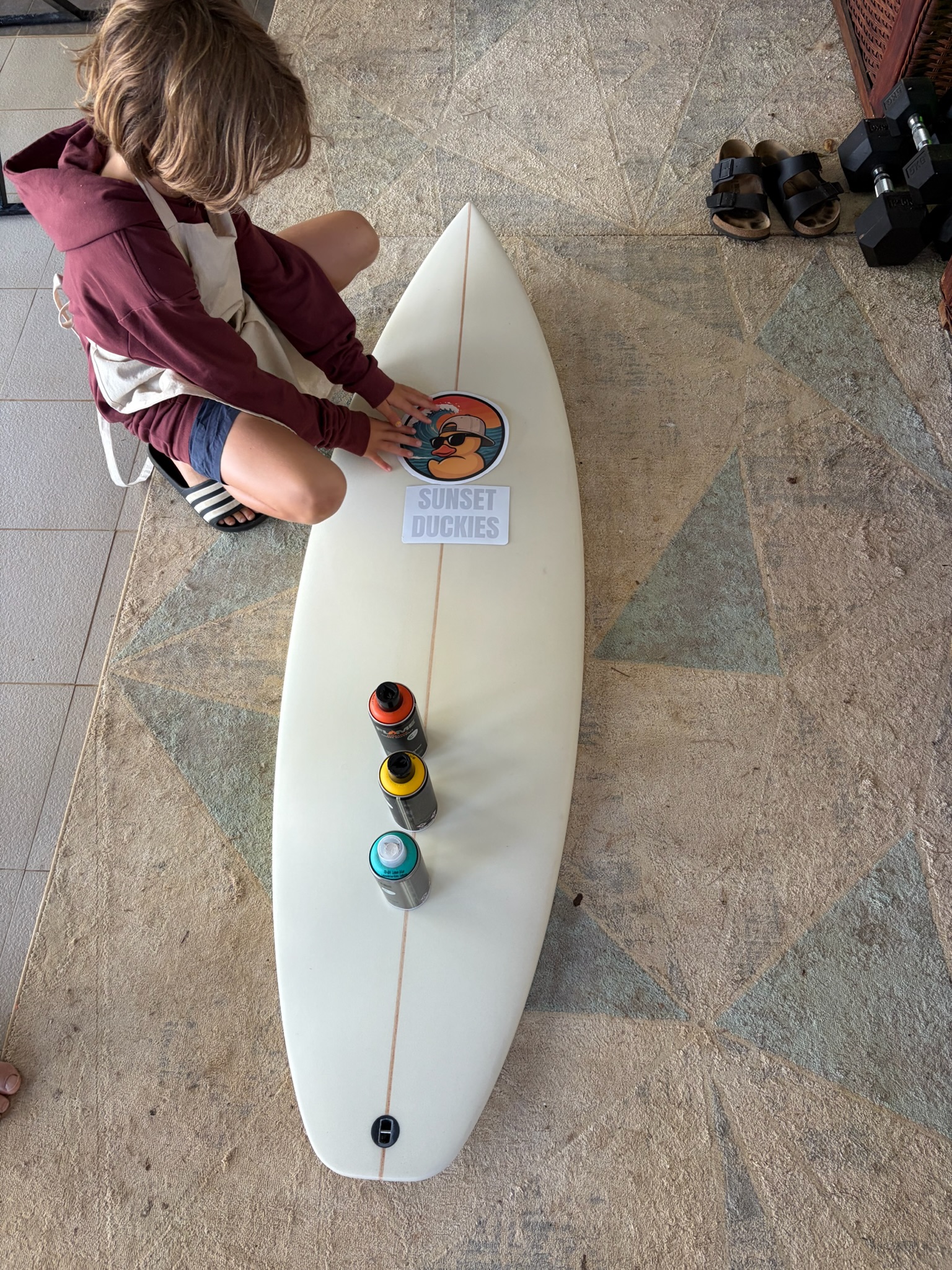
The work, on my end, was restraint disguised as design. Make it printable. Make it maskable. Make it clean enough to survive on foam under gloss. But don’t make it sensible, and don’t overrule the weird little preferences that made the kids point at one version and not another. Sensible would have killed it.
The flames never happened. That’s probably the best design decision we made, and it wasn’t mine. The finished duck isn’t purely Noah’s either. He started it. The others pulled it into shape by caring enough to vote. It lives at sunsetduckies.com now, which still feels slightly ridiculous. Good.
See it on the board
The three-month build that turned the pencil sketch into a glassed, finned surfboard.